Compare Local Contractors for Building Excavation Services
Compare local contractors for building excavation to define project scope, verify experience, and set clear expectations for a successful job.
Building excavation services encompass a range of tasks involved in preparing a property for construction or development. These include removing soil, rocks, or debris to create a level foundation, digging trenches for utilities, and grading land to ensure proper drainage. The scope of excavation work can vary depending on the project’s size and purpose, making it essential for property owners to clearly define what needs to be accomplished. A well-outlined scope helps ensure that all parties have a shared understanding of the work involved and can prevent misunderstandings or scope creep as the project progresses.
Defining the scope of excavation work is a critical step in selecting a contractor. It provides clarity on the specific tasks required and helps establish realistic expectations for the project’s complexity and requirements. When property owners have a detailed scope in writing, it becomes easier to compare different service providers based on their experience, capabilities, and approach. Clear documentation also serves as a reference point throughout the project, making it easier to address any questions or concerns that may arise and ensuring that all parties are aligned on what will be delivered.
Comparing local contractors for excavation work involves assessing their experience, reputation, and ability to handle the specific scope of the project. Property owners are encouraged to inquire about previous projects similar in scope and complexity, as well as to verify the contractor’s familiarity with local soil conditions and regulations. It’s also beneficial to review how each service provider approaches project planning and communication, including how they document the scope of work and set expectations in writing. Doing thorough research and asking detailed questions can help property owners find experienced contractors capable of meeting their project needs effectively.
Compare local contractors by outlining project priorities, verifying experience, and clearly defining scope and expectations.
- Compare Contractor Experience - Review the background and project history of local contractors to ensure they have relevant expertise.
- Define Project Scope Clearly - Outline specific excavation needs to help contractors provide accurate assessments and proposals.
- Verify Credentials and References - Check references and previous work to assess the reliability and quality of local service providers.
- Get Written Agreements - Ensure all project details, expectations, and responsibilities are documented in a formal agreement.
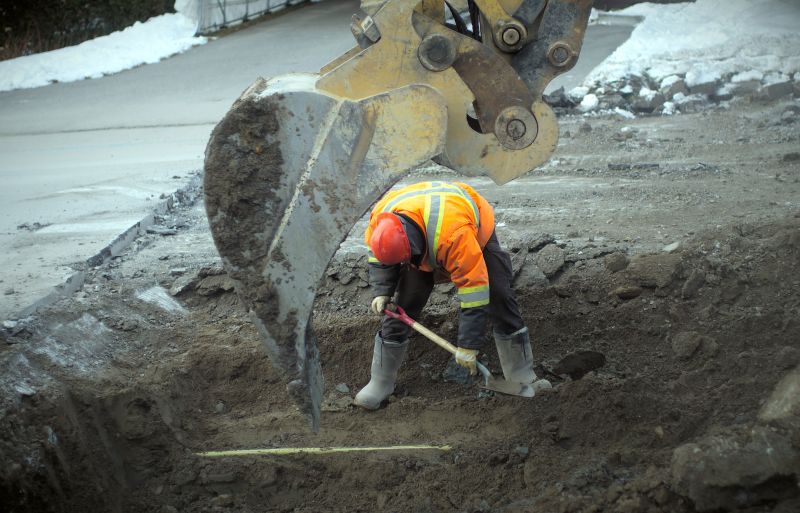
Clearly describe your excavation project and compare local contractors based on their experience, scope, and written expectations.
- Verify experience and references for local contractors specializing in excavation projects. Ensure scope of work and project expectations are clearly defined in written agreements.
- Assess the contractor’s familiarity with the specific type of excavation required for the site. Confirm that the contractor understands local regulations and site conditions.
- Compare multiple service providers to evaluate their expertise and approach to similar excavation jobs. Look for detailed proposals that outline the work process and deliverables.
- Check that the contractor has appropriate insurance coverage to protect against potential liabilities. Ensure that all project details, responsibilities, and expectations are documented in a comprehensive contract.
- Discuss site access, safety protocols, and logistical considerations with potential contractors before hiring. Clarify how unforeseen issues or changes will be handled in writing.
Use this to compare local contractors, clarify project scope, verify experience, and set clear expectations.
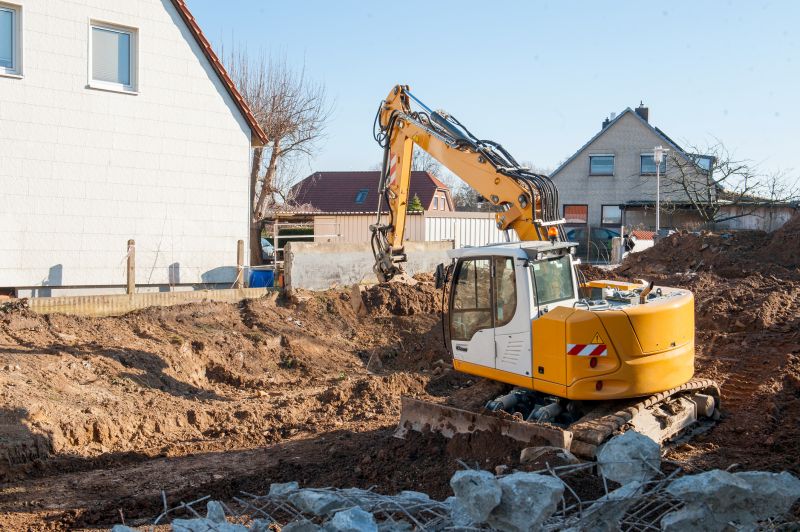
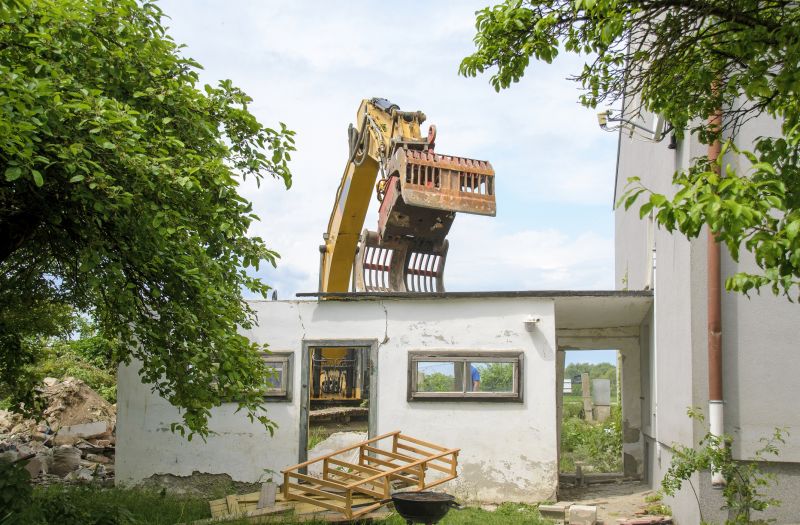
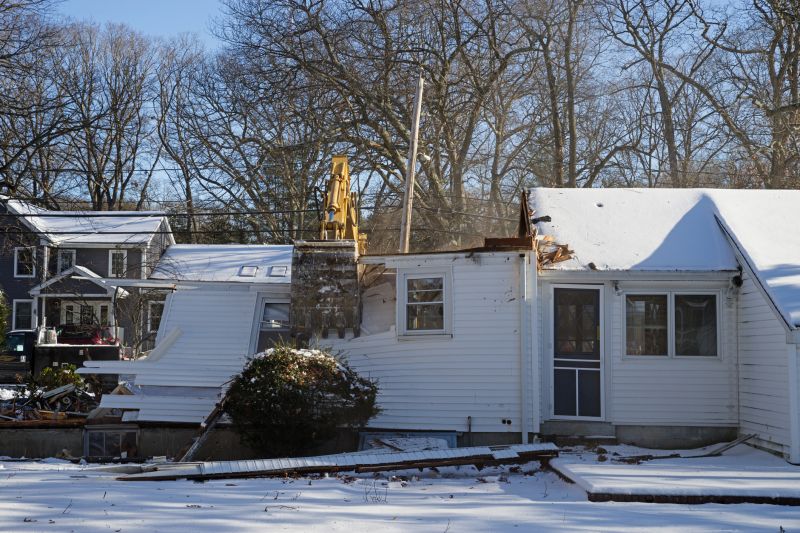
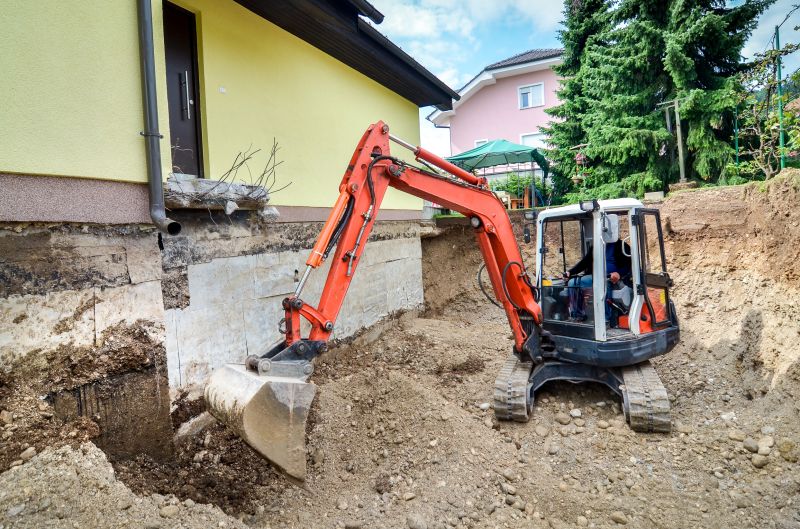
Compare local contractors' scope definitions and experience to ensure consistent expectations across different service providers.
- Project Scope Definition - Clearly outline the specific excavation tasks needed for the project.
- Experience Verification - Confirm that local contractors have relevant experience with similar excavation projects.
- Equipment and Methodology - Specify the types of equipment and excavation methods that will be used.
- Site Preparation Requirements - Define any site conditions or preparations necessary before excavation begins.
- Documentation and Communication - Ensure all scope details are documented and communicated in writing to all involved service providers.
When comparing contractors for building excavation, it’s important to consider their experience with similar projects. Homeowners should seek out service providers who have a proven track record of handling excavation work comparable to the scope of their project. This can include specific types of site preparation, terrain challenges, or project sizes. Asking for examples or references related to past work can help gauge a contractor’s familiarity with the particular requirements of the job at hand, ensuring that the selected professional has relevant experience.
A clear, written scope of work is essential for effective project planning and expectations. Homeowners should work with potential contractors to develop a detailed description of the excavation tasks, including the extent of work, specific site areas, and any special considerations. Having this scope documented helps prevent misunderstandings and provides a reference point throughout the project. It also allows homeowners to evaluate whether the contractor’s proposed approach aligns with their needs and expectations.
Verification of a contractor’s basic qualifications involves confirming their ability to perform the work safely and competently. Homeowners can request information about the contractor’s process for site assessment, equipment used, and methods for ensuring quality and safety standards are met. While formal licensing or certification may not be discussed, understanding how a service provider plans to verify site conditions and manage potential challenges provides insight into their professionalism and preparedness. This step helps ensure that the chosen contractor has a solid foundation for executing the project effectively.
When evaluating options among local contractors, it’s helpful to compare their experience, scope of work, and verification practices side-by-side. Homeowners should consider how well each service provider understands the project’s specific requirements and whether their approach aligns with the desired outcomes. Asking questions about their past projects, the clarity of their scope, and their methods for site assessment can help distinguish between different options. This process supports making an informed decision based on the contractor’s expertise and approach, rather than price or availability.
Ask contractors to provide written scope details to ensure clear expectations and consistent project understanding.
- Experience and Expertise - What specific experience do the local contractors have with building excavation projects similar to the scope of the job?
- Scope of Work - How clearly do the contractors define the scope of work and the responsibilities involved in the excavation process?
- Equipment and Techniques - What types of equipment and excavation methods do the local service providers plan to use, and how do they compare?
- Project Management Approach - How do the contractors plan to coordinate the work and communicate progress throughout the project?
- Written Agreements - Are the scope, expectations, and responsibilities documented in a detailed written agreement?
How can I compare different contractors for building excavation? To compare local contractors, review their experience, scope of services, and reputation, and request clear written proposals to evaluate how they plan to handle your project.
What should I define in the scope of excavation work? Clearly outline the project area, depth, type of soil, and any specific site considerations to ensure contractors understand the work required and can provide accurate proposals.
How do I verify the experience of a building excavation contractor? Ask for details about their previous projects, request references, and check how long they have been working in excavation to assess their expertise and reliability.
Why is it important to have work expectations in writing? Having a detailed written agreement helps prevent misunderstandings, ensures all project requirements are clear, and provides a reference for scope and responsibilities.
What questions should I ask when reviewing contractor proposals? Inquire about their approach to safety, site management, equipment used, and how they handle unexpected issues to ensure comprehensive understanding of their process.
How can I ensure the contractor understands my project needs? Communicate your project details thoroughly, ask for a written scope of work, and confirm that their proposal aligns with your expectations before proceeding.
This page has provided an overview of how to find and evaluate contractors for building excavation projects. Visitors learned the importance of clearly defining project scope, verifying the experience of service providers, and setting expectations in writing to help ensure a smooth process. Comparing local contractors can help identify options that align with specific project needs and preferences.
To move forward, consider using the quote form to explore and compare local service providers who specialize in building excavation. This step can assist in connecting with experienced contractors capable of handling the job, based on the criteria that matter most. Taking the time to gather information and clarify project details can support making informed decisions tailored to individual excavation requirements.